
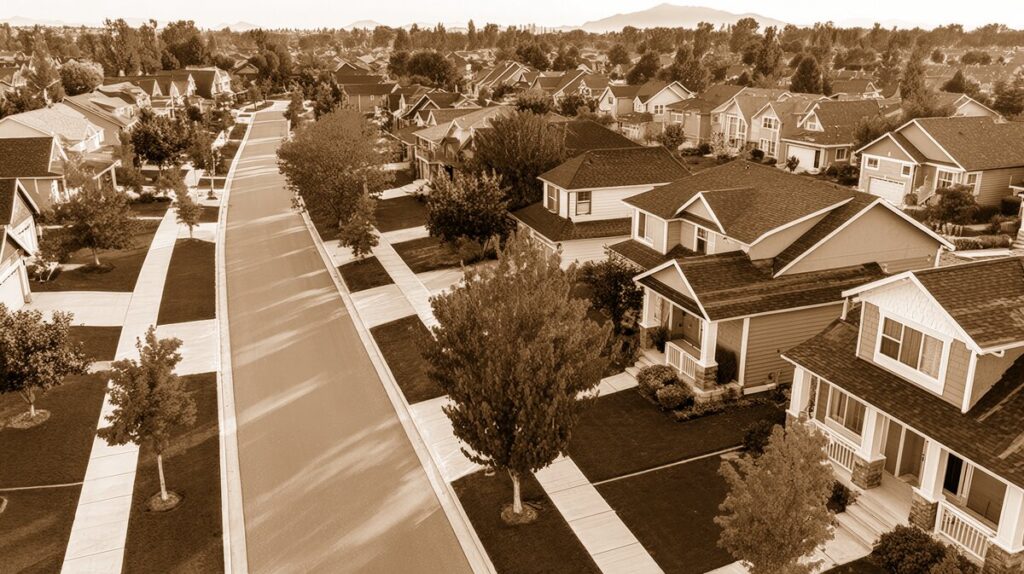
Nestled just northwest of downtown Bakersfield, the Westchester neighborhood—often lovingly called “Old Westchester”—has stood as a testament to the city’s vibrant past and enduring sense of community. With its leafy streets, elegant homes, and historic core, Westchester offers more than just a place to live; it’s a living time capsule full of architectural wonders, tales of early local visionaries, and a spirit that locals fiercely cherish.
Origins: From Farmland to a Residential Dream
Established primarily in the early 20th century, Westchester’s development was deeply influenced by Bakersfield’s explosive growth in the years after oil was discovered in Kern County. Before homes replaced orchards and fields, the area that would become Westchester was primarily agricultural land on the outskirts of the growing city center. Developers saw an opportunity: as Bakersfield prospered, so too did the appetite for gracious, tree-lined residential districts where prominent professionals and city leaders could build their homes.
The official name "Westchester" traces back to a trend in American suburbia—a nod to New York’s Westchester County, renowned for its stately, established neighborhoods. Bakersfield’s own Westchester was envisioned as an enclave of quality and charm.
How Westchester Got Its Name
The choice of the “Westchester” name was intentional, reflecting prestige, stability, and a connection to American residential ideals. While historical records don’t cite a single individual responsible for the name, its adaptation was clearly influenced by nationwide patterns of naming upmarket suburban developments after Eastern locales, evoking images of tradition and refinement.
Key Historical Milestones
- 1920s–1940s Building Boom: The first real surge of construction swept through the neighborhood during this period, with homes reflecting architectural sensibilities of the era, notably Spanish Revival, Craftsman, and later, Ranch-style bungalows. One stroll down A Street or Beech Street reveals this charming diversity.
- 1947: The Bakersfield Sound Emerges: Although more typically associated with nearby Oildale, the homes and community halls of Westchester hosted many informal gatherings and jam sessions in the postwar years, contributing quietly to the birth of Bakersfield’s unique country music movement.
- 1960s–1980s: Civic Investments: The area benefitted from city-led improvements, including upgraded parks, the planting of iconic camphor and elm trees along the streets, and the addition of new sidewalks and decorative streetlamps.
- Historic Preservation Movement: In more recent decades, residents rallied to protect Westchester’s architectural legacy, spearheading efforts to retain the neighborhood’s one-of-a-kind ambiance within a rapidly changing city.
Notable Landmarks and Buildings
Westchester is punctuated with historic gems and beloved local institutions:
- Beale Memorial Clock Tower (corner of Truxtun Avenue and Chester Avenue): Originally constructed in 1904, the tower now anchors the neighborhood’s southern edge after being relocated following the 1952 earthquake.
- First Congregational Church (5 Real Road): A striking example of mid-century ecclesiastical architecture, this church has served as a spiritual and cultural gathering point for generations.
- Franklin Elementary School (2400 Truxtun Avenue): Not only a center for education but also a community hub, Franklin is one of Bakersfield’s oldest continuously operating schools and boasts a charming campus set beneath mature trees.
- Westchester Park (also known as Beale Park, 500 Oleander Avenue): This green oasis has been central to neighborhood life since the early 1900s, hosting everything from summer picnics and concerts to youth sports and community festivals.
Many of the residential properties on streets like Juniper Street, Spruce Street, and Cedar Street date back to the neighborhood’s earliest days, with well-preserved examples of Mission, Tudor, and Colonial Revival homes.
Evolution Through the Decades
Over the years, Westchester has faced its share of challenges—from the postwar suburban boom that drew some families outward to newer tracts, to earthquakes and economic shifts that threatened the fate of historic landmarks. Yet its greatest strength has always been its people: diverse, passionate, and deeply invested in both preserving the neighborhood’s distinct character and welcoming newcomers.
- In the 1970s and ’80s, as other areas of Bakersfield sprawled outward, Westchester doubled down on its walkability and sense of neighborliness. Community events—like the annual block parties and holiday parades—became a signature feature.
- The 1990s brought renewed interest in historic preservation, with many homes lovingly restored to their original glory, and local advocacy groups working to maintain the neighborhood’s signature tree canopy.
- Today, Westchester continues to be a sought-after place to live, prized for its proximity to downtown, vibrant real estate, and the strong intergenerational bonds that define its households.
What Makes Westchester Special Today
Ask any resident, and you’ll hear that Westchester’s enduring appeal lies in its blend of history, beauty, and neighborly warmth.
- The streets are shaded by mature trees, many of them planted in the early 20th century, promising relief from the Bakersfield heat.
- Residents take pride in their homes, often decorating with period-appropriate details or maintaining lush front gardens.
- Parks like Beale Park remain hubs of activity, where children gather for soccer games, families enjoy Sunday barbecues, and local artists put on open-air performances.
Walking through Westchester is like stepping back in time while still feeling part of Bakersfield’s living, evolving story.
The Heart of Bakersfield’s Heritage
Westchester isn’t just a geographic area—it’s a feeling, a sense of belonging, and a link to Bakersfield’s soul. Newcomers and longtime residents alike share a commitment to stewardship, ensuring that, just as early visionaries intended, Westchester remains one of the city’s most treasured neighborhoods for generations to come.
No matter how Bakersfield grows and changes, the legacy of Westchester endures—rooted in rich history, architectural charm, and the shared joy of a truly special community.